




Hearing loss affects millions of people worldwide, yet many delay seeking help for years. The good news? Taking action to improve your hearing doesn’t have to be overwhelming. Follow this simple five-step algorithm to reclaim the sounds you’ve been missing and enhance your quality of life.
Step 1: Recognize the Signs
IF you experience any of these symptoms:
- Frequently asking people to repeat themselves
- Turning up the TV or radio volume
- Difficulty following conversations in noisy environments
- Muffled speech or sounds
- Ringing in your ears (tinnitus)
THEN acknowledge that you may have hearing loss and proceed to Step 2.
Many people dismiss early warning signs, attributing them to aging or environmental factors. Don’t ignore these red flags. Early recognition is the foundation of better hearing health.
Step 2: Schedule a Professional Hearing Evaluation
IF you’ve identified potential hearing loss symptoms
THEN book an appointment with an audiologist or hearing specialist.
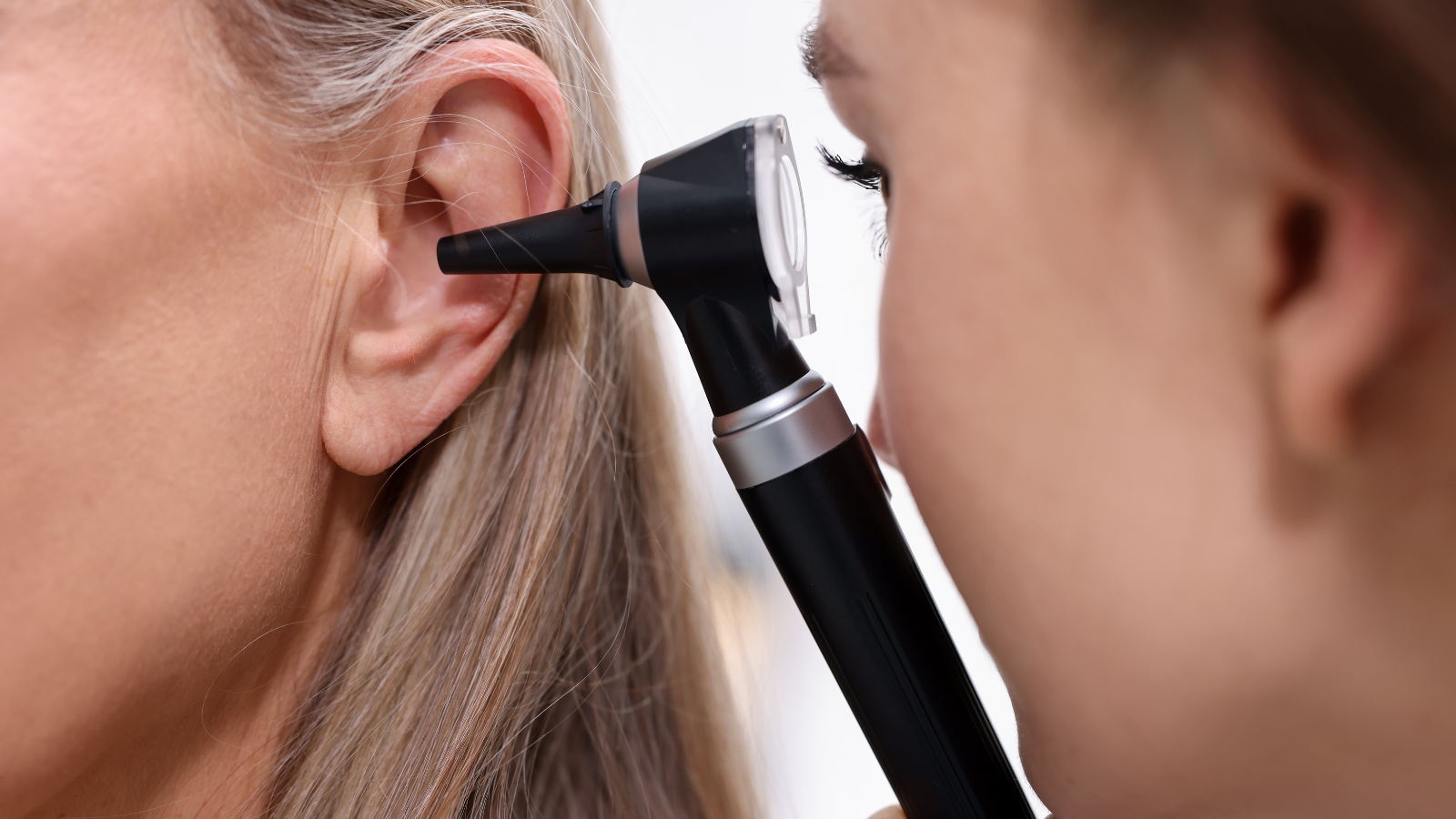
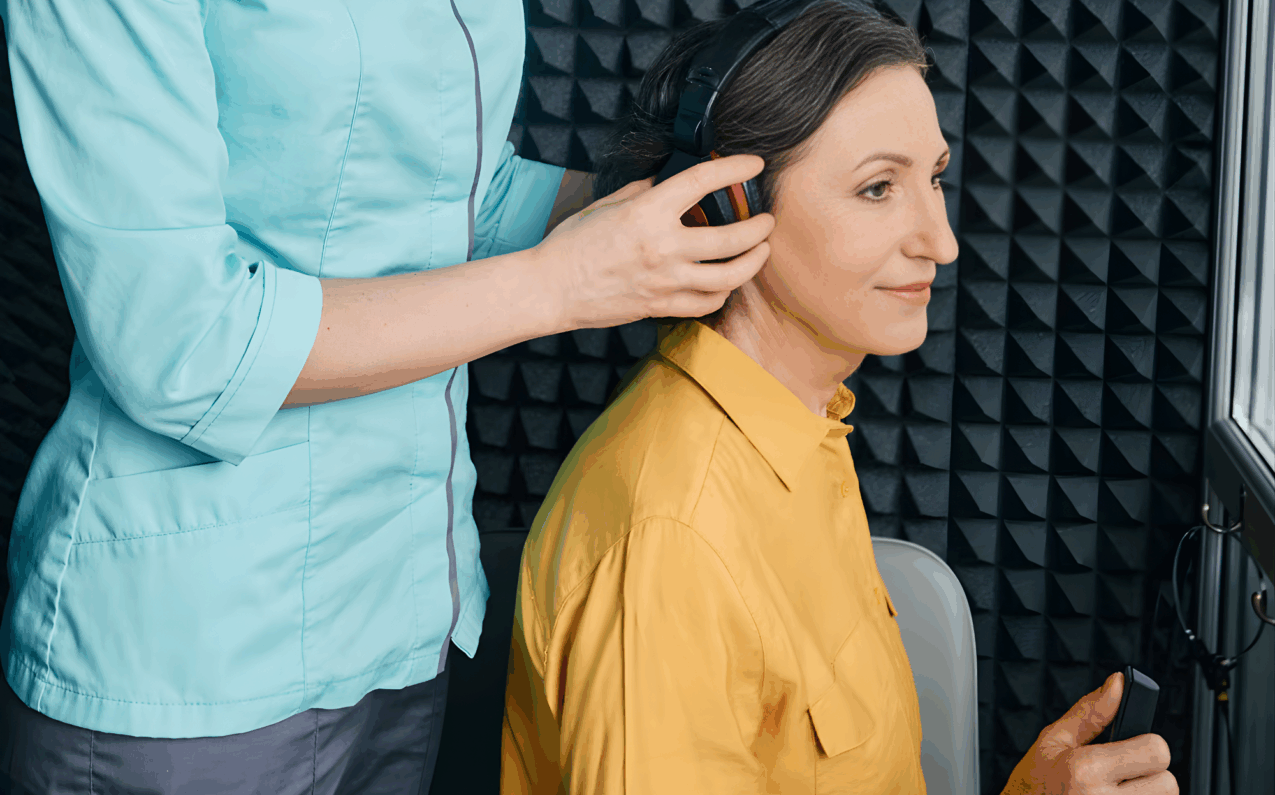
A comprehensive hearing test is painless, quick, and provides crucial information about your hearing health. The evaluation typically includes a physical examination of your ears, tone testing at various frequencies, and speech recognition assessments. This baseline measurement helps professionals determine the type and severity of your hearing loss, which guides all subsequent treatment decisions.
Step 3: Explore Your Treatment Options
IF hearing loss is confirmed
THEN discuss available solutions with your hearing healthcare provider.
Treatment options vary based on your specific condition:
- Hearing aids: Modern devices are smaller, smarter, and more effective than ever
- Cochlear implants: For severe to profound hearing loss
- Assistive listening devices: Technology to enhance specific situations
- Medical treatment: For conditions like ear infections or earwax buildup
- Communication strategies: Techniques to maximize your remaining hearing
Your audiologist will recommend the most appropriate solution for your lifestyle, budget, and hearing needs.
Step 4: Commit to Your Hearing Solution
IF you’ve selected a treatment option
THEN give yourself time to adjust and follow through consistently.
Whether you choose hearing aids or another solution, success requires commitment. Modern hearing aids need a 2-4 week adjustment period as your brain reacclimates to sounds you haven’t heard clearly in months or years. Attend all follow-up appointments for fine-tuning, and wear your devices consistently throughout the day. Inconsistent use undermines your brain’s ability to adapt and process sound effectively.
Step 5: Maintain and Optimize Your Hearing Health
IF you want long-term hearing success
THEN implement ongoing hearing protection and maintenance practices.
Protect your investment and your remaining hearing by:
- Wearing hearing protection in loud environments
- Keeping hearing devices clean and properly maintained
- Scheduling annual hearing evaluations
- Staying informed about new hearing technologies
- Managing related health conditions like diabetes and cardiovascular disease
Regular maintenance appointments ensure your devices continue functioning optimally, while ongoing protection prevents further hearing deterioration.
The Path Forward
Better hearing isn’t just about amplifying sound—it’s about reconnecting with life, maintaining relationships, and preserving cognitive health. Research shows that untreated hearing loss correlates with social isolation, depression, and cognitive decline. By following these five steps, you’re not just improving your hearing; you’re investing in your overall wellbeing.
Don’t wait another day. Start with Step 1 today, and take control of your hearing health journey. Your ears—and your loved ones—will thank you.